Protect the Pollinators: 4 Simple Ways to Help the Bees
Why pollinators matter, what we do to protect them, and how you can help.
Reviewed by Jessica Flowers, Certified Clinical Herbalist
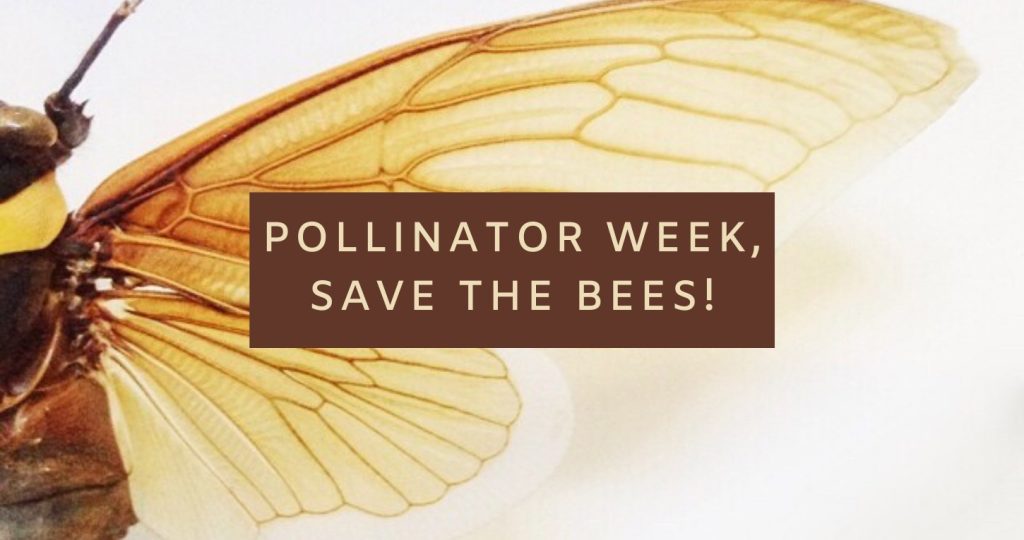
Pollinators include bees, butterflies, moths, bats, birds and other animals, and they deserve our gratitude. Bees are among the most important pollinators in our food system: roughly one in every three bites of food we eat depends on pollinators.
Unfortunately, bee populations are in trouble. U.S. beekeepers have reported heavy colony losses year after year, and protecting pollinators will take real changes in how we live and how industries operate.
How Moon Mother Hemp does its part
We’re committed to the health of our planet and all its creatures. Our hemp is USDA certified organic, grown without synthetic pesticides that can harm bees, and we use certified organic ingredients throughout our line, so that our impact on the planet is one of protection.
We also value farming practices that help pollinators thrive: flowering cover crops in the rotation, which feed pollinators, reduce erosion and replenish the soil, and companion plants like alyssum, fennel and dill that attract beneficial insects.
4 simple ways to help the bees
- Don’t kill bees. It’s the easiest step you can take. If a bee makes you nervous, simply walk away, and help children and neighbors learn why bees matter.
- Skip the insecticides and herbicides. Bees need flowering “weeds” for food, and dandelions are often among the first foods of spring. Let them grow, and if you must use a product, choose one that’s bee friendly.
- Choose bee-friendly products. Certified organic foods and products are made without synthetic pesticides. The more organic we buy, the fewer bees are exposed to harmful chemicals. Conventional cotton is one of the most pesticide-heavy crops, so switching to organic cotton is another way to vote with your dollars.
- Plant a pollinator garden. Whether you have a small balcony or a big yard, you can create a pollinator-friendly habitat. Try crocus, sweet alyssum, sunflowers, coneflower, geraniums, poppies, bee balm and butterfly weed. Happy planting!
Frequently asked questions
Is the manuka honey in the Nourish Mask cruelty-free?
Yes. All Moon Mother products are Leaping Bunny certified cruelty-free. Our manuka honey comes from Manuka Honey USA, which lab tests its honey and works only with New Zealand beekeepers who are members of the UMF Honey Association, with its quality controls and unannounced inspections.
Where does the beeswax in your topicals come from?
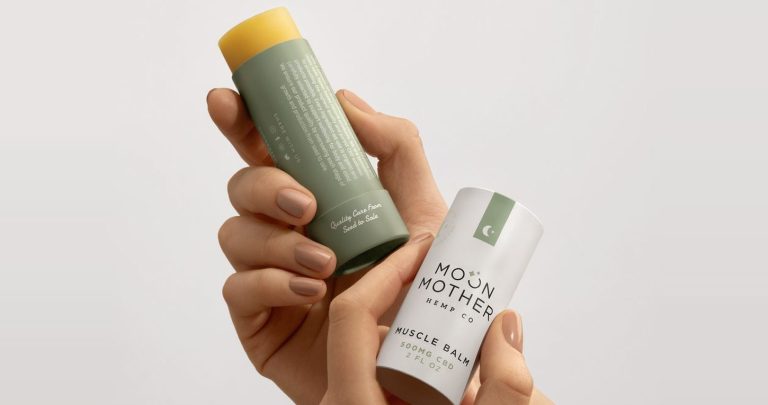
We source certified organic beeswax from Jedwards International, Inc.
When you choose Moon Mother Hemp, you’re supporting pollinators too. We hope you’ll try the steps above and share your own tips with the community.
These statements have not been evaluated by the Food and Drug Administration. These products are not intended to diagnose, treat, cure or prevent any disease.